Plants
 Plants · sanalda.com
What is Plant Cells?
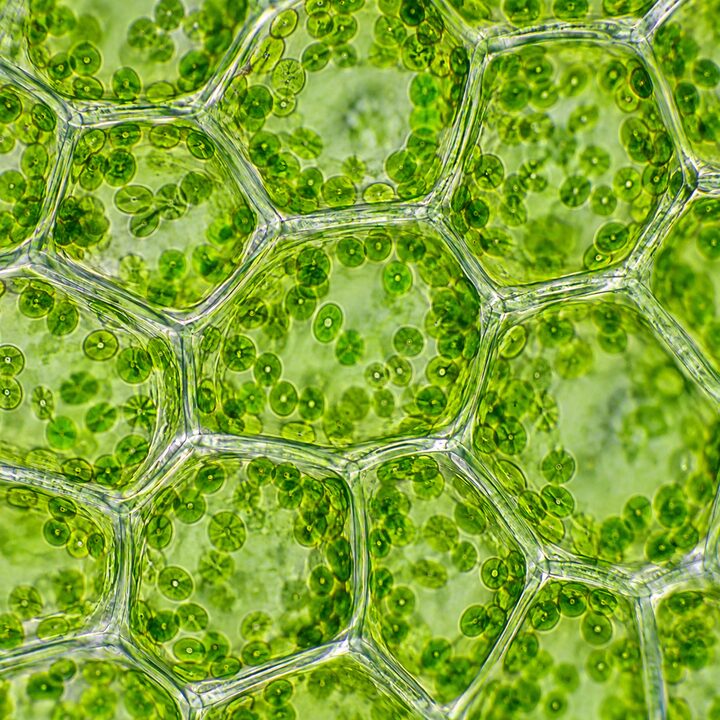
A plant cell is the basic living unit that supports growth, exchange of materials, and energy transformations. Plant cells are not all identical; root cells, for example, may lack chloroplasts.
 Plants · sanalda.com
What is Photosynthesis?
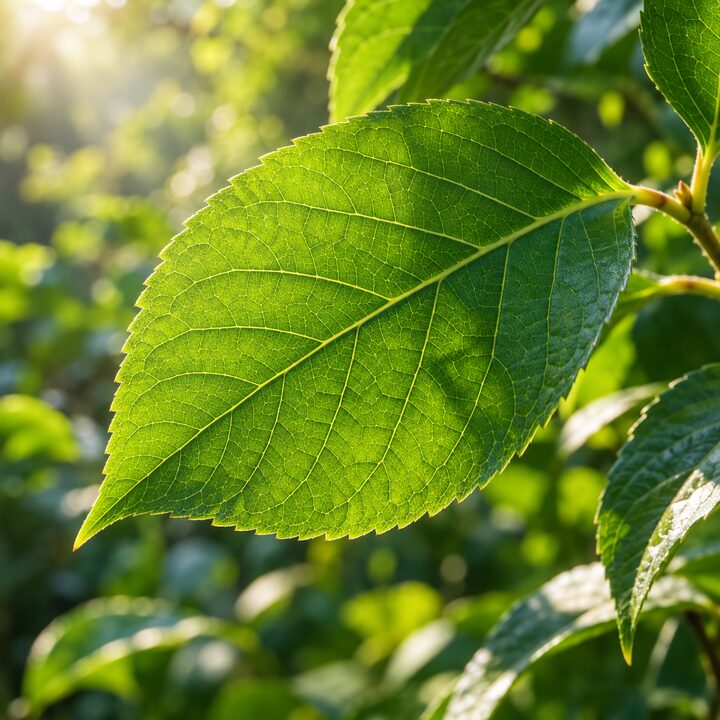
Photosynthesis converts light energy into chemical energy, allowing plants to produce organic matter. It supports primary production in food webs and contributes to the global carbon cycle.
 Plants · sanalda.com
What is Plant Roots?
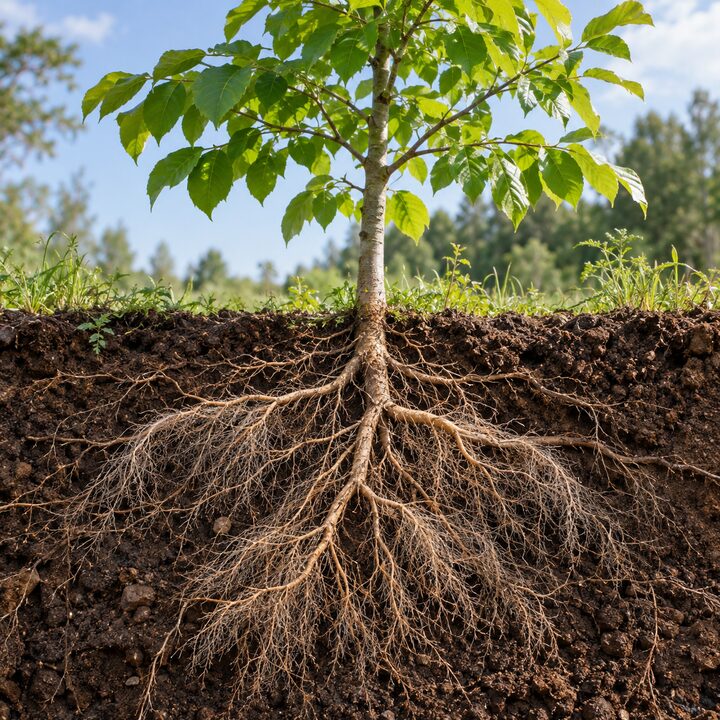
Roots anchor plants, help take up water and minerals, and store food in some species. Root systems vary with a plant’s needs and habitat.
 Plants · sanalda.com
What is Plant Stems?
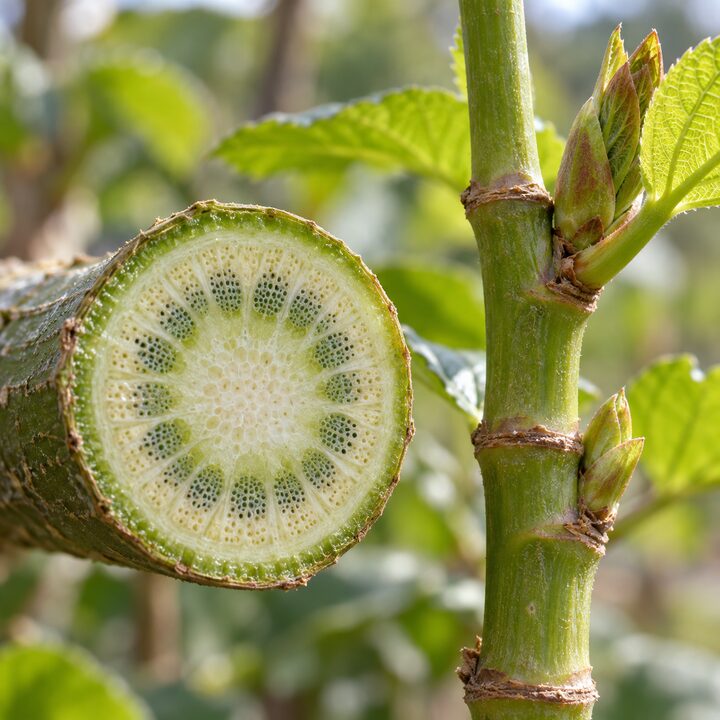
A stem supports leaves and flowers and helps transport materials between roots and upper plant parts. Herbaceous and woody stems have different features.
 Plants · sanalda.com
What is Leaf Structure and Function?
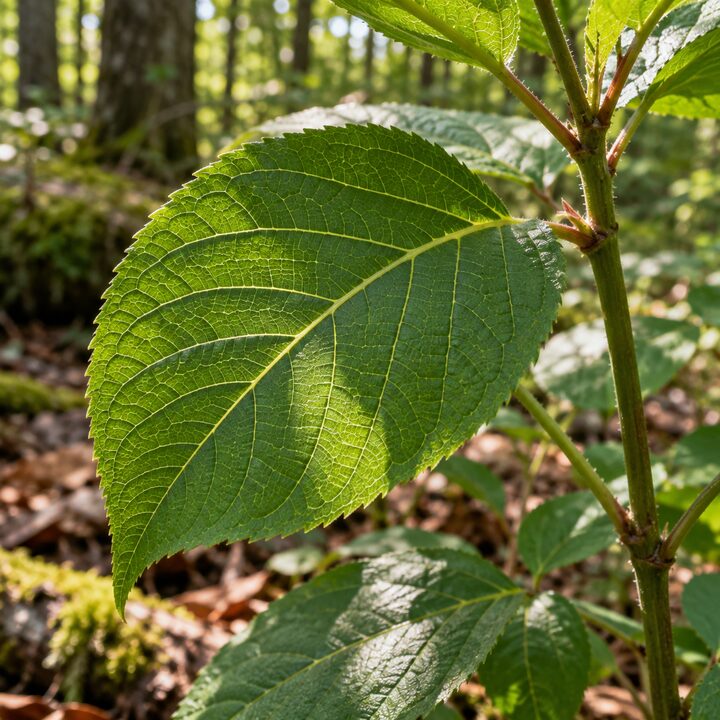
Leaves are organs specialized in many plants for capturing light and exchanging gases. Their size, shape, and surface features vary widely among species and environments.
 Plants · sanalda.com
What is Flower Structure?
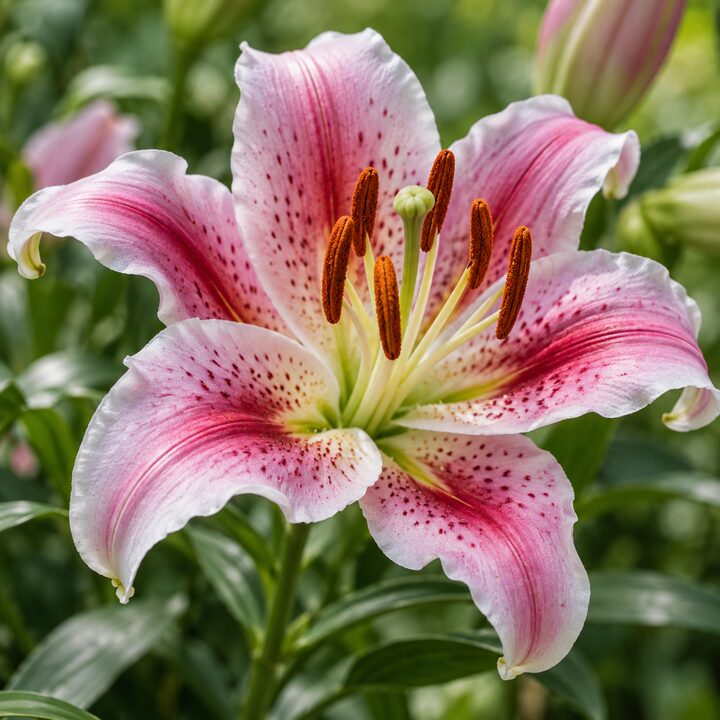
A flower is the reproductive structure of angiosperms. Flowers differ in color, scent, and shape, yet many share common reproductive parts.
 Plants · sanalda.com
What is Pollination in Plants?
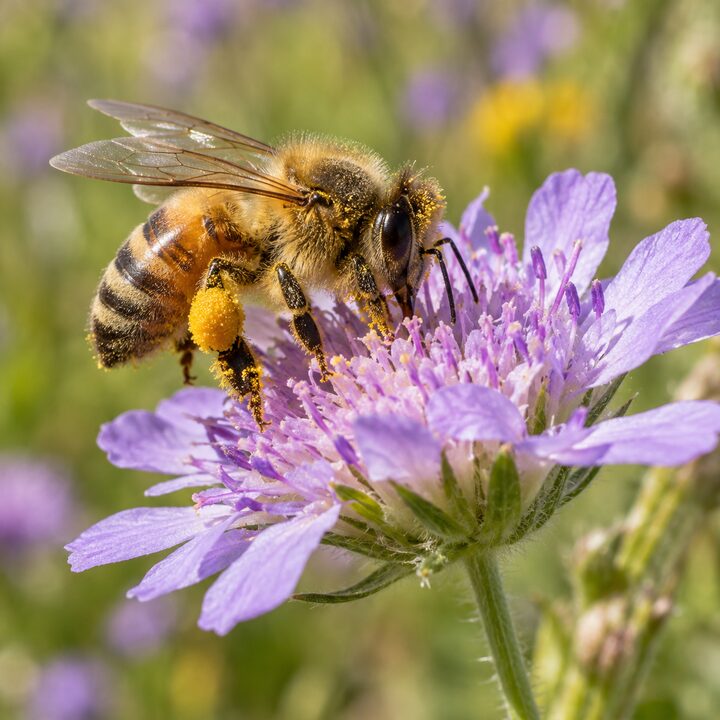
Pollination is the transfer of pollen from a plant’s male reproductive structure to the stigma of a female structure. It is an important step toward seed formation, but it is not the same as fertilization.
 Plants · sanalda.com
What is Seed Structure and Dispersal?
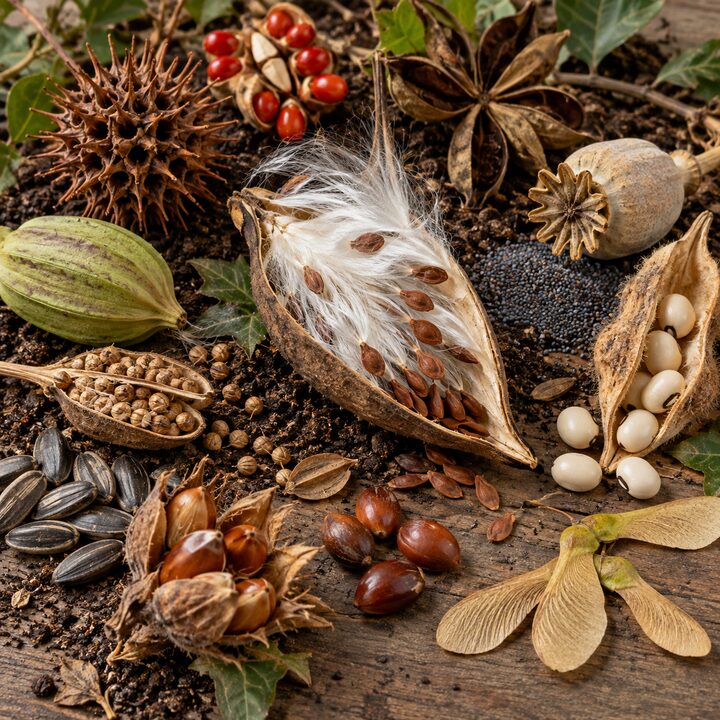
A seed develops from a fertilized ovule and protects the embryo of a new plant. Seeds may carry food reserves and delay development until conditions are suitable.
 Plants · sanalda.com
What is Seed Germination?
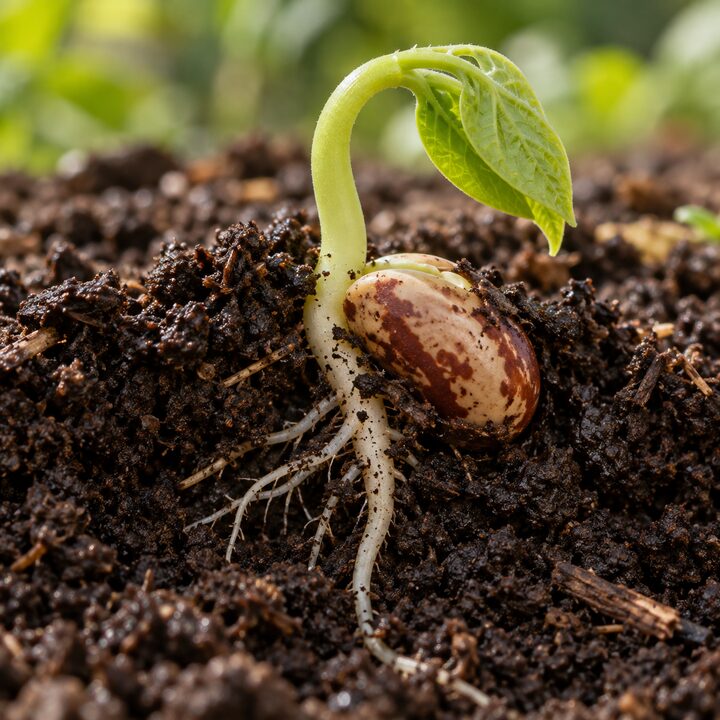
Germination is the start of growth by the embryo in a living seed under suitable conditions. Each species has different requirements; water, temperature, oxygen, and sometimes light are important factors.
 Plants · sanalda.com
What is Plant Life Cycles?
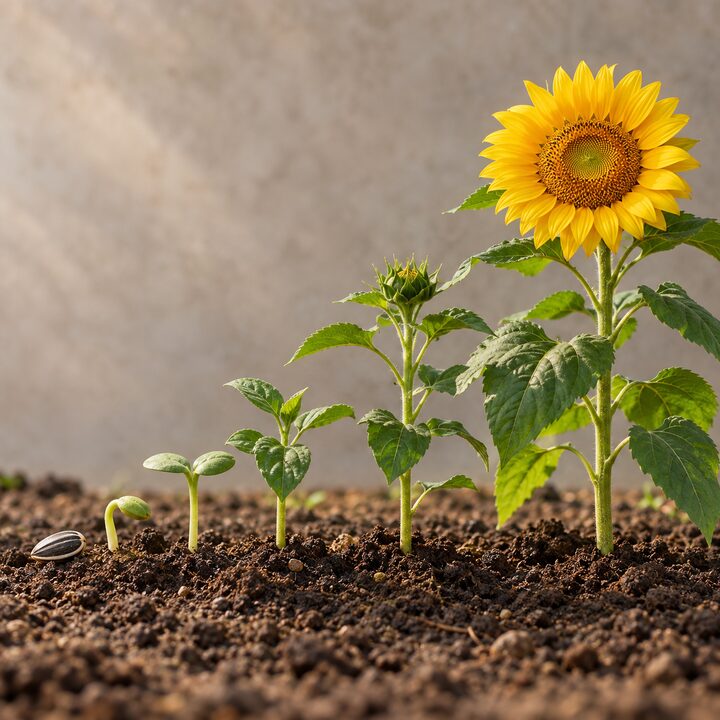
A plant life cycle includes growth and reproduction as well as transitions between reproductive stages. The stages’ visibility and dominance differ among plant groups.
 Plants · sanalda.com
What is Vascular Plants?
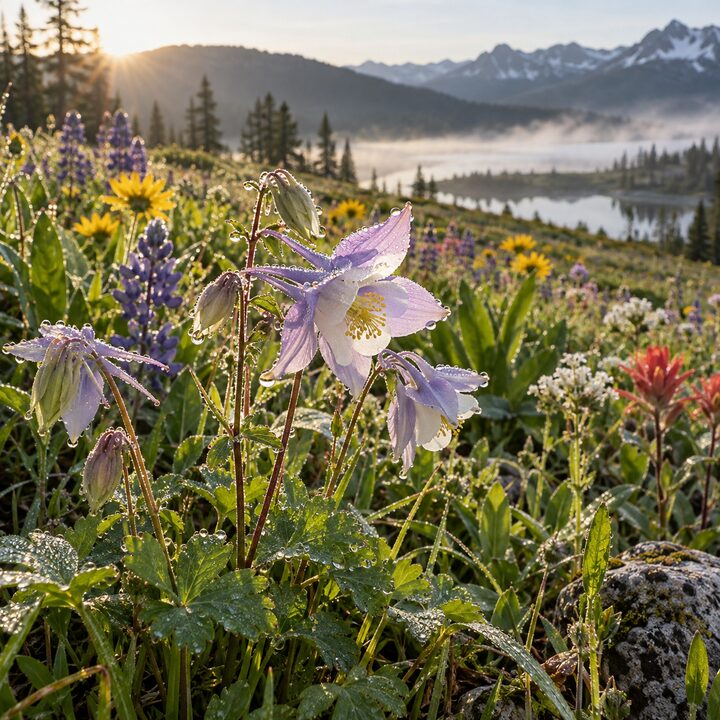
Vascular plants have specialized xylem and phloem tissues that transport water and organic compounds through the plant. This system helped support larger plant forms with distinct organs.
 Plants · sanalda.com
What is Mosses?
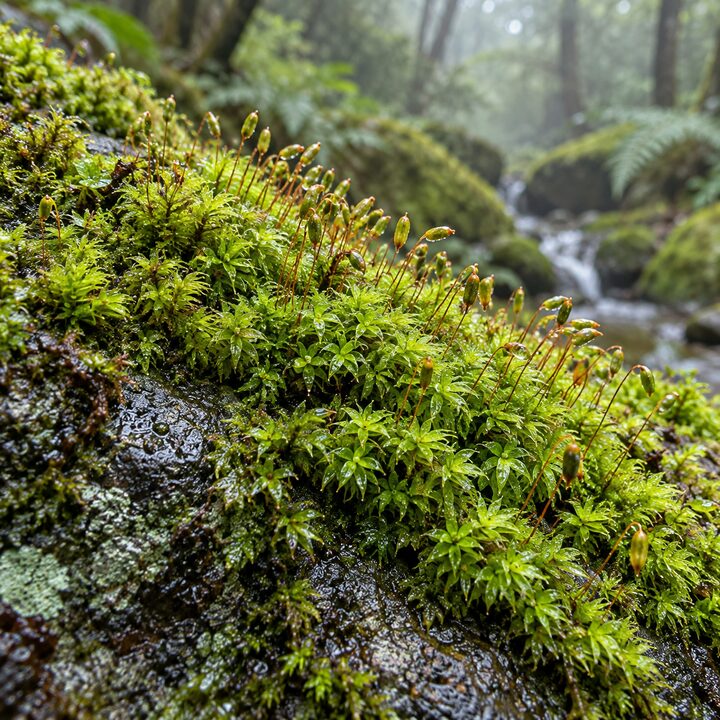
Mosses are small, nonvascular land plants often found in moist habitats. They lack true roots, stems, and leaves, and their plant-like structures absorb water and minerals in limited ways.
 Plants · sanalda.com
What is Ferns?
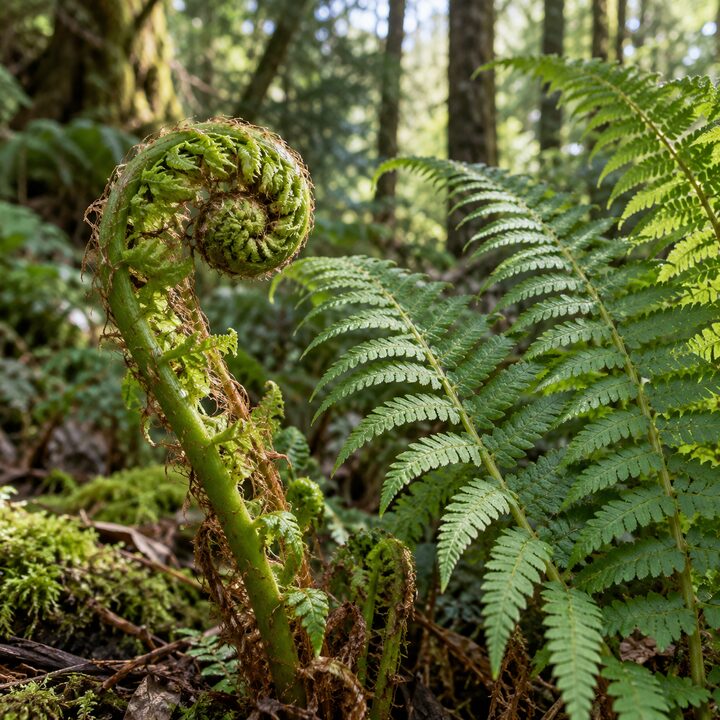
Ferns are vascular plants that do not produce seeds, flowers, or fruits. They reproduce by spores, often formed in structures on the underside of leaves, and many grow in moist or shaded places.
 Plants · sanalda.com
What is Gymnosperms?
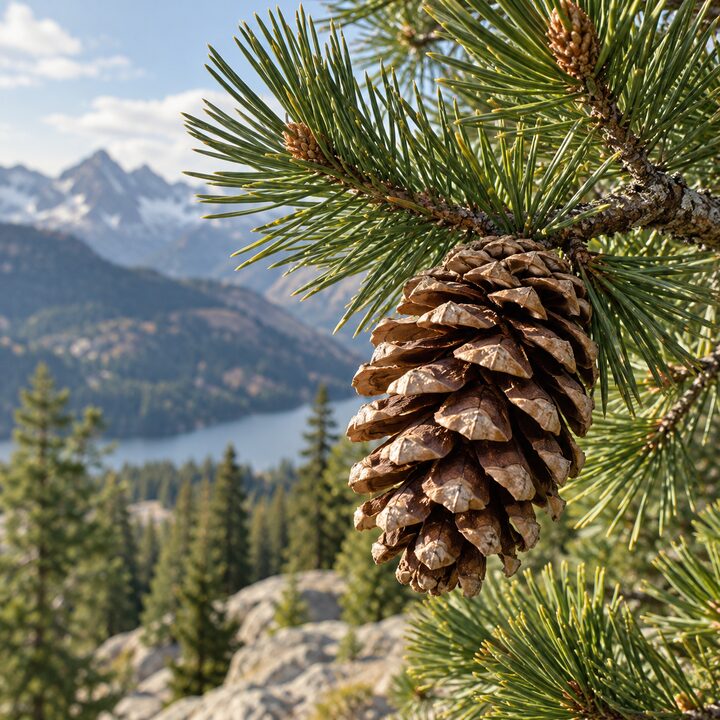
Gymnosperms are seed plants whose seeds are not enclosed within a fruit. Pines, spruces, cedars, cycads, and ginkgo are different examples of this broad group.
 Plants · sanalda.com
What is Angiosperms?
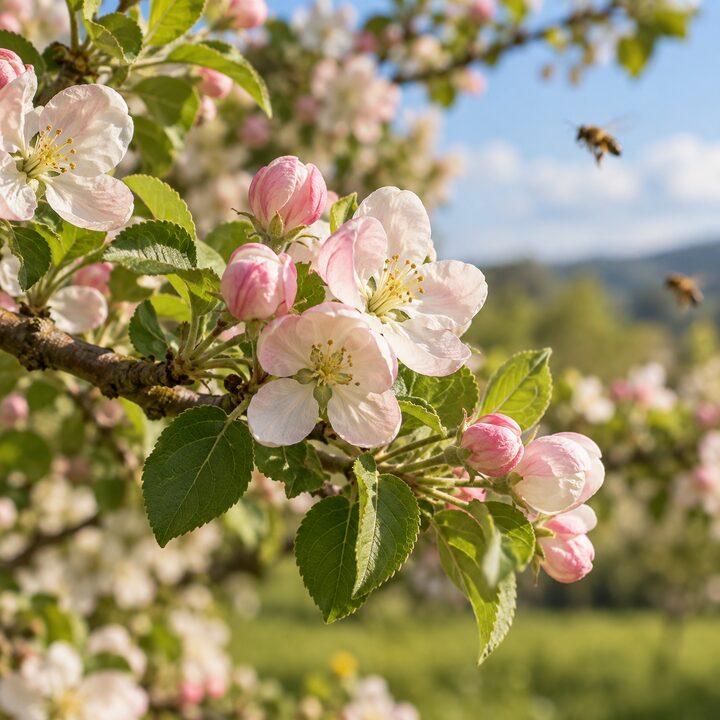
Angiosperms are flowering plants whose seeds develop inside an ovary. A fruit often develops from the mature ovary and can help protect and disperse seeds.
 Plants · sanalda.com
What is Trees?
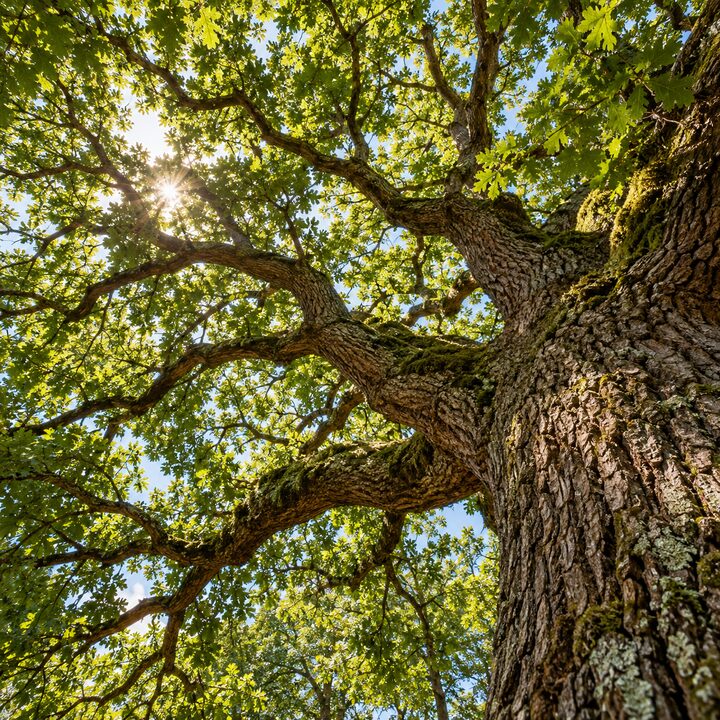
A tree is a growth form generally characterized by one or a few woody stems and long-term growth; trees do not all belong to one plant group.
 Plants · sanalda.com
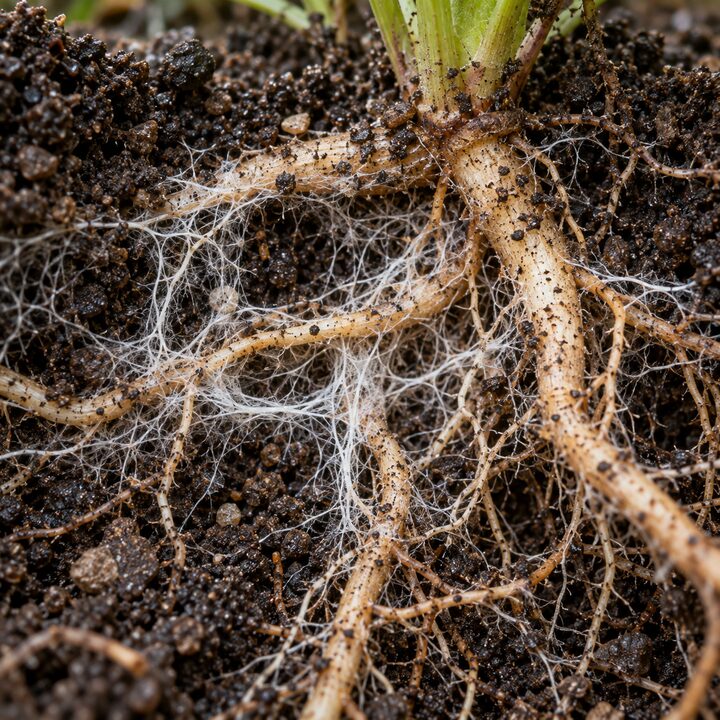
What is Mycorrhiza: Partnerships Between Plants and Fungi?
Mycorrhiza is a close association between some fungi and plant roots. Fungal hyphae extend around roots and, in some groups, interact with root cells, affecting water and mineral uptake.
 Plants · sanalda.com
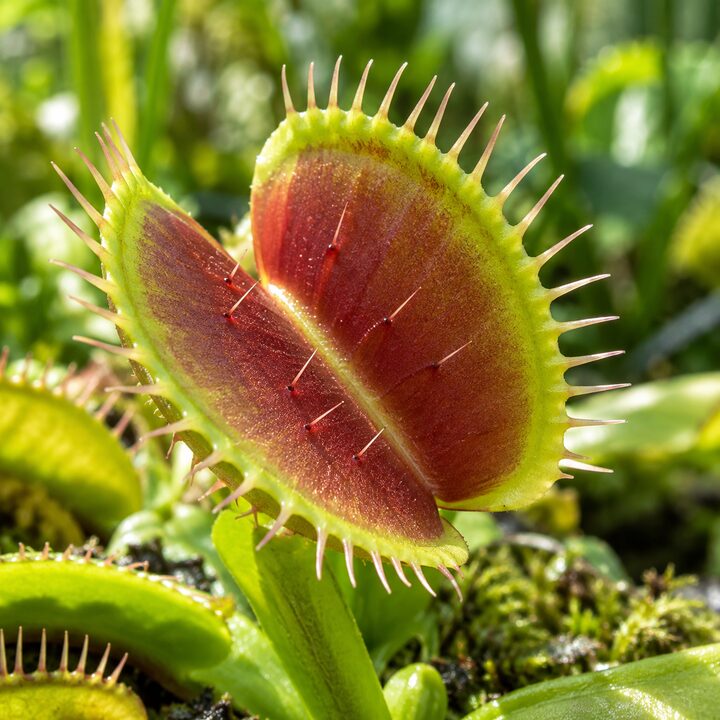
What is Carnivorous Plants?
Carnivorous plants photosynthesize, but some also capture and digest small animals to obtain minerals, especially nitrogen, in nutrient-poor habitats. Prey capture does not replace photosynthesis.
 Plants · sanalda.com
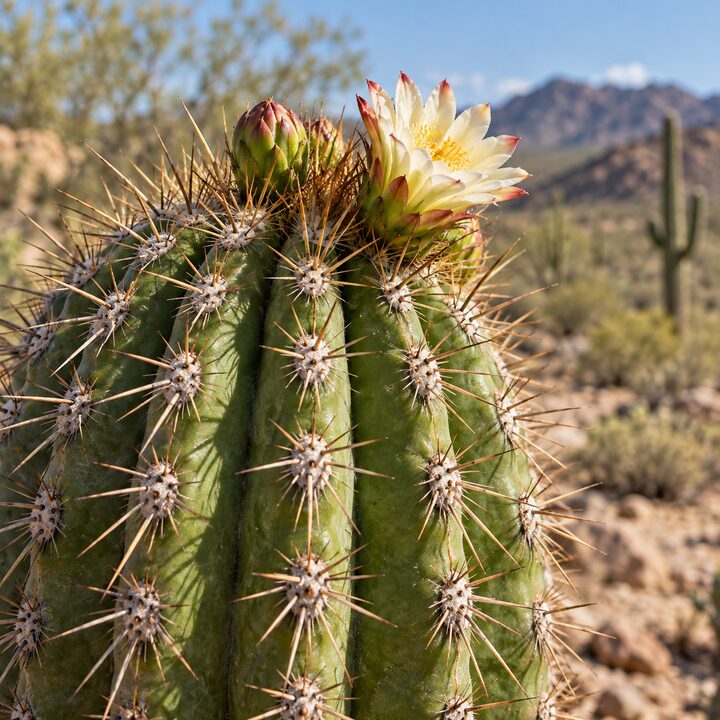
What is Plants of Arid Environments?
Plants in arid environments have different adaptations that limit water loss and make use of brief rainfall. Cacti and succulents are only familiar examples of this diversity.
 Plants · sanalda.com
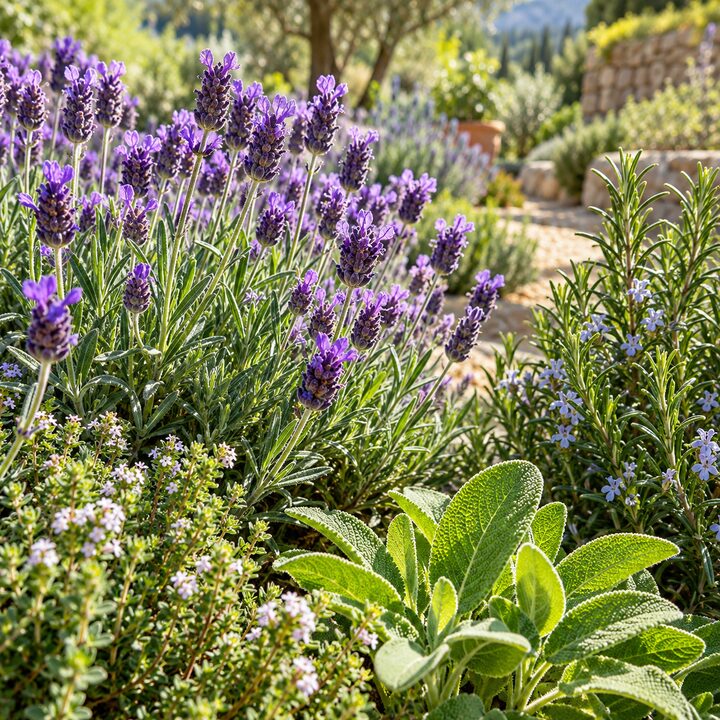
What is Medicinal and Aromatic Plants?
Medicinal and aromatic plants include many species valued for scent, flavor, or traditional uses. Being natural does not mean every use is effective or safe.